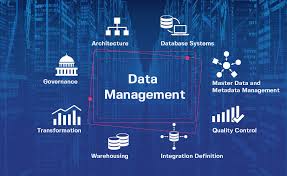
Data Management Services: Make Businesses with Organized and Actionable Information
In today’s competitive business world, data is the fuel that powers growth, decision-making, and innovation. Companies generate and handle vast amounts of information daily, from customer records and product details to marketing content and sales transactions. Without a structured approach, this data can quickly become overwhelming, inconsistent, and underutilized. That’s where Data Management Services play a crucial role.
Moreover, Data Management Services empower organizations to transform raw data into actionable insights. With clean and well-structured data, businesses can analyze trends, understand customer behavior, and make informed strategic decisions. These services also enhance data security through encryption and compliance measures, protecting sensitive information from potential threats. Ultimately, investing in efficient data management helps companies stay competitive, scale operations, and achieve long-term growth.
What Are Data Management Services?
Data Management Services refer to a comprehensive framework of practices, technologies, and strategies that enable businesses to collect, store, organize, secure, and utilize data effectively. These services guarantee that information stays consistent, clean, and accessible across all business functions.
Core areas include:
Catalog Management – Centralizing and standardizing product catalogs for accuracy across multiple platforms.
Content Management – Organizing digital assets, documents, and marketing material to ensure smooth publishing and accessibility.
Product Management – Structuring and maintaining product-related information for sales, marketing, and supply chain efficiency.
Data Integration, Cleaning, and Governance – Ensuring overall data quality, compliance, and usability.
The Growing Importance of Data Management
Accurate Product Information Businesses that manage product data effectively reduce errors, returns, and customer dissatisfaction.
Operational Efficiency Proper content and catalog management save time for teams across sales, marketing, and operations.
Omnichannel Consistency Customers expect uniform product and brand information across websites, mobile apps, marketplaces, and offline stores.
Regulatory Compliance Industries like healthcare and finance must comply with strict regulations when handling sensitive information.
Enhanced Customer Experience Data-driven personalization relies on well-structured and accessible information.
Catalog management is essential for businesses that deal with multiple products across multiple platforms. It involves creating a centralized system where all product information—titles, descriptions, SKUs, pricing, and specifications—is maintained in a consistent format.
Content drives digital presence and customer engagement. Content Management Services provide businesses with structured systems to organize, publish, and optimize digital assets such as blogs, product descriptions, videos, manuals, and marketing collateral.
Benefits of Content Management:
Centralized storage of digital assets.
Faster publishing across websites, apps, and campaigns.
SEO optimization for better online visibility.
Ensures brand consistency across multiple touchpoints.
Product data is the backbone of e-commerce and retail businesses. Product Management Services ensure that businesses maintain accurate, updated, and structured product details for smooth operations and customer satisfaction.
Key Features:
Product information standardization (attributes, categories, tags).
Price management and competitive updates.
Inventory and supply chain data tracking.
Linking product data with analytics for better insights.
4. Traditional Data Management Components
Alongside catalog, content, and product management, broader data management includes:
Data Cleaning & Enrichment – Removing duplicates, correcting errors, and enriching with additional attributes.
Data Integration – Consolidating information from multiple sources.
Database Management – Ensuring performance and security of databases.
Data Governance – Defining roles and rules for handling data.
Data Warehousing & Cloud Storage – Providing centralized, scalable solutions.
Data Security & Privacy – Protecting information against cyber threats and ensuring compliance.
Benefits of Data Management Services
Professional data management helps businesses maintain consistency across all sales and marketing channels while improving the accuracy of product catalogs, content assets, and customer records. With clean, centralized, and structured data, teams can work more efficiently, reduce manual errors, and streamline daily operations. This leads to a better customer experience through accurate product information, informative content, and smoother transactions. Businesses can also launch products faster, update catalogs quickly, and strengthen their SEO and marketing performance with optimized content that improves online visibility and engagement. In addition, organized product and customer data provides valuable insights that support smarter, data-driven business decisions and long-term growth.
Challenges in Data Management
Managing Large Product Catalogs – Especially for retailers with thousands of SKUs.
Keeping Content Updated – Ensuring accuracy across platforms.
Compliance & Data Privacy – Meeting regulatory standards like GDPR.
Integration Complexity – Connecting ERP, CRM, PIM, and CMS systems.
Data Silos – Lack of centralized data causes inefficiencies.
Best Practices in Data Management
Implement a Centralized System – Use Product Information Management (PIM) or Content Management Systems (CMS).
Automate Updates – Reduce manual errors with automated syncing across platforms.
Standardize Data Formats – Ensure uniform product attributes, SKUs, and metadata.
Regular Data Audits – Keep information updated and accurate.
Prioritize Security – Encrypt sensitive data and restrict unauthorized access.
Align Data with Business Goals – Structure product and content data to support marketing and sales strategies.
Industries Benefiting from Catalog, Content, and Product Management
E-commerce & Retail – Managing SKUs, pricing, and product listings.
Manufacturing – Handling product specifications, catalogs, and manuals.
Healthcare – Managing digital records, patient information, and medical product catalogs.
Education – Organizing academic content and digital resources.
Telecommunications – Cataloging services, content, and customer plans.
Role of Technology in Data Management
Product Information Management (PIM) Tools – Manage catalogs at scale.
Content Management Systems (CMS) – Streamline publishing across websites.
AI & Machine Learning – Automate product tagging, content categorization, and personalization.
Cloud Solutions – Scalable and cost-effective data storage.
Blockchain – Ensures security and authenticity of sensitive product and transaction data.
Analytics & Visualization Tools – Turn data into actionable insights.
Why Outsource Data Management Services?
Expertise in Catalog & Content Management – Professionals who specialize in organizing product data.
Scalability – Handle seasonal spikes in product updates and content publishing.
Cost Savings – Reduce infrastructure and staffing expenses.
Faster Turnaround – Quick catalog updates and content modifications.
Focus on Core Business – Let experts handle data while teams focus on growth.
Future of Data Management Services
The future will bring more automation, AI-driven governance, and personalization. Trends include:
AI-Powered Catalog Management – Automatically updating product information across marketplaces.
Smart Content Delivery – Personalized recommendations and automated publishing.
Real-Time Product Updates – Live sync between inventory, pricing, and listings.
Edge Computing – Faster data access near the source.
Enhanced Data Security – Tighter privacy controls for global compliance.
Efficient Data Management Services for Secure and Organized Business Data
FAQS
1. What are Data Management Services?
Data Management Services involve collecting, organizing, storing, and maintaining data to ensure it is accurate, secure, and easily accessible. These services help businesses manage large volumes of information efficiently for better decision-making.
2. Why are Data Management Services important for businesses?
Data Management Services are crucial because they improve data accuracy, reduce redundancy, enhance security, and enable faster access to information. This helps businesses make informed decisions, improve operations, and stay competitive.
3. What types of Data Management Services are available?
Common types include data collection, data cleansing, data integration, data storage, data migration, data governance, and data security. Each service plays a role in ensuring high-quality and usable data.
4. How do Data Management Services improve business performance?
By providing clean and structured data, these services help businesses identify trends, optimize processes, enhance customer experiences, and support strategic planning, ultimately boosting overall performance.
5. Are Data Management Services secure?
Yes, professional Data Management Services implement strong security measures such as encryption, access control, and compliance with industry standards to protect sensitive business data.
6. Can small businesses benefit from Data Management Services?
Absolutely. Small businesses can use Data Management Services to organize their data, reduce manual errors, and scale operations efficiently without investing heavily in infrastructure.
Conclusion
In today’s digital-first marketplace, success depends on how effectively businesses manage their data. From catalog management that ensures accurate product listings, to content management that drives brand visibility, and product management that connects the dots between inventory and customer demand—Data Management Services provide the foundation for growth, efficiency, and customer satisfaction.
By investing in professional services, businesses can ensure data accuracy, consistency across channels, regulatory compliance, and improved decision-making. In short, well-structured data management isn’t just a back-office function—it’s a strategic advantage that powers modern enterprises.